



































Sourcing Mobile Phones: Comparing Supply Options and Writing Clear Acceptance Terms
A practical guide to comparing mobile-phone sourcing routes and defining acceptance criteria, with a hypothetical scenario and an actionable checklist.
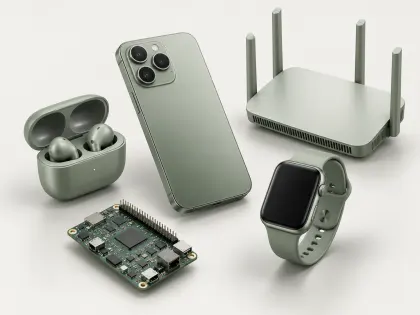
Mobile phones sit at the meeting point of several supply chains: electronics integration, battery packs, display modules, touchscreens, enclosures and accessories. That makes them a useful example of how to compare sourcing options without treating every supplier as interchangeable.
Start with the product definition, not the supplier. A phone brief should state the intended user, network and software expectations, ruggedness, camera and display priorities, battery capacity class, charging interface, and whether accessories such as a charger, cable or case are in scope. If the device will carry a brand, confirm who owns the industrial design, the software build and the trademarks. These questions shape which supply route makes sense.
Three common routes
First, sourcing a finished model from a trading or brand-holding partner. This can reduce development effort when the specification already matches an existing product. The trade-off is less control over component choices and change notices.
Second, contract manufacturing around a reference design or PCBA platform. This route suits buyers who need a defined enclosure, software configuration and packaging. It requires a clear split of responsibilities: who selects the display module, who qualifies the battery pack, who handles radio and safety testing, and who owns the final assembly quality.
Third, assembling from modules and components. This offers the most control but the greatest engineering burden, because display, touch, power, thermal and radio performance interact. It is rarely the lowest-risk starting point for a first phone programme.
Comparing supply options
Use the same comparison sheet for every candidate. Include: product definition fit; minimum order quantity; tooling and sampling cost structure; component traceability; software and firmware control; packaging and branding; warranty terms; and after-sales spare-parts planning. Ask how engineering changes are proposed, approved and documented, and how units in the field are identified if a batch issue appears. For any device with a radio, display or battery, confirm which party holds the relevant test reports and how they map to the exact model and configuration being purchased.
A worked hypothetical scenario
Suppose, hypothetically, a buyer needs a mid-range handset for a field-service team. The brief specifies a durable enclosure, a display readable outdoors, a battery capacity class suited to a full working day, a charging interface compatible with existing accessories, and a software build that can be locked to approved applications. The buyer compares three offers: a finished model from a trading partner, a contract-manufactured unit based on an existing PCBA platform, and a module-assembly approach.
The finished model is fastest but the buyer cannot confirm component substitutions. The contract route allows a defined enclosure and software image, provided the buyer writes acceptance terms around display brightness class, drop and dust expectations, charging behaviour, and software version control. The module route demands in-house engineering the buyer does not have. The contract route is selected, with sampling and a pilot batch before full release.
Acceptance criteria that actually work
Acceptance terms should be measurable and tied to the purchased configuration. Typical items include: visual and dimensional inspection; functional test of buttons, ports, cameras, speakers and microphones; display and touch checks; charging and discharge behaviour; battery pack identification and traceability; software version and preloaded application verification; packaging and accessory completeness; and labelling that matches the approved model. Sampling plans, defect classifications and the handling of minor cosmetic variation should be agreed in writing before production.
Specialist review
Radio, electrical safety, battery transport and electromagnetic compatibility requirements vary by market. These are not areas for self-declaration alone. Buyers should engage a qualified testing laboratory or compliance specialist to confirm which standards and approvals apply to the exact model, and to review the battery pack and charger as part of the system. Medical, child-focused or other regulated applications need additional specialist review.
Actionable checklist
1. Write the product definition before contacting suppliers.
2. Decide which supply route matches your engineering capacity.
3. Confirm ownership of design, software and trademarks.
4. Require component traceability for display, battery and radio parts.
5. Agree a change-notice process in writing.
6. Define measurable acceptance criteria for the exact configuration.
7. Plan sampling and a pilot batch before full release.
8. Confirm testing and compliance responsibilities with a specialist.
9. Agree warranty, spare parts and batch identification.
10. Keep one comparison sheet across all candidates.
Share the product, specifications, quantity and destination to discuss sourcing options.